


From the Shahnameh to Iran–India Cultural Ties: Ferdowsi Commemoration Held in New Delhi
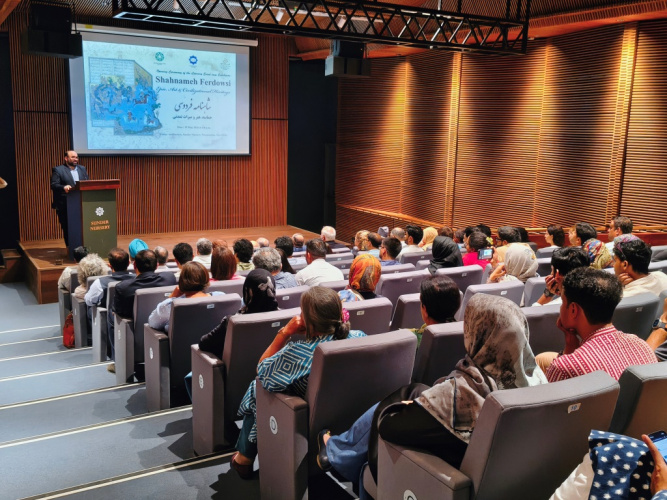
According to the Saadi Foundation’s Public Relations Office, the event was organized by the Cultural Center of the Embassy of the Islamic Republic of Iran and the Saadi Foundation’s representative office in India, in cooperation with the Aga Khan Trust for Culture and the Noor International Microfilm Center. The program took place at the conference hall of the Humayun Museum and the Sunder Nursery Cultural Complex in New Delhi.
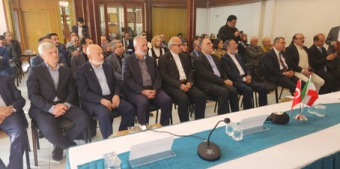
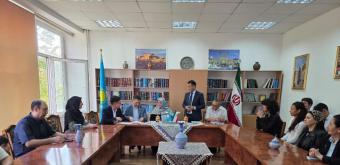
The cultural and academic gathering brought together professors, researchers, writers, cultural figures, students, and Persian-language learners from Iran and India. Participants visited an exhibition featuring posters, inscriptions, images of Shahnameh manuscripts, calligraphic works, and examples of Iranian art inspired by the epic masterpiece.
The academic and literary session was moderated by Arshad Al-Qadri, who described the Shahnameh as one of the greatest literary works in world literature and emphasized the importance of such events in promoting cultural and literary exchanges among nations.
Speaking at the conference, Mohammad Fathali, Ambassador of the Islamic Republic of Iran to India, referred to the Shahnameh as “the civilizational identity document of the Iranian nation.” He noted that Iranians have always taken pride in this monumental work and in the noble values it embodies, including chivalry, justice, and the distinction between truth and falsehood.
Referring to the sensitive circumstances facing the region and the resilience of the Iranian people, he added that national unity and cohesion in Iran are rooted in profound cultural and ethical values reflected in enduring works such as the Shahnameh.
Farideddin Faridasr, Cultural Counselor of the Islamic Republic of Iran in India and the Saadi Foundation’s representative in the country, described the Shahnameh as a work rich in ethical, humanistic, and heroic messages. He stated that the book calls on humanity to uphold justice, wisdom, honor, and respect for human dignity, values that are needed today more than ever.
Referring to stories such as Zahhak, Kaveh the Blacksmith, Rostam and Sohrab, and Siavash, he described the Shahnameh as “a great school for nurturing humanity” and highlighted its role in strengthening self-esteem, resilience, and cultural identity among nations.
Ratish Nanda, Chief Executive Officer of the Aga Khan Trust for Culture in India, described the Shahnameh as a remarkable example of the intersection of art, history, and civilization, emphasizing the importance of preserving the cultural heritage of nations.
Sharif Husain Qasemi, Professor of Persian Language and Literature, referred to the Shahnameh as a shared cultural treasure for the peoples of the region and a work that transcends geographical boundaries.
Seyed Akhtar Husain, scholar and professor of Persian language and literature, highlighted the profound influence of the Shahnameh on the literary and intellectual traditions of the Indian subcontinent and underscored its role in shaping Persian and Urdu literary tastes.
Seyed Mohammad Azizuddin Husain Hamdani, former head of the Department of History at Jamia Millia Islamia University, described the Shahnameh as more than an epic poem, calling it a valuable record of the history, identity, culture, and civilizational memory of Iran and the Persian-speaking world.
Other speakers examined Ferdowsi’s legacy and the significance of the Shahnameh from various perspectives, discussing its place in world literature, its contribution to the preservation of the Persian language, its impact on Iranian and Islamic civilization, and its reflection in the culture and literature of the Indian subcontinent.
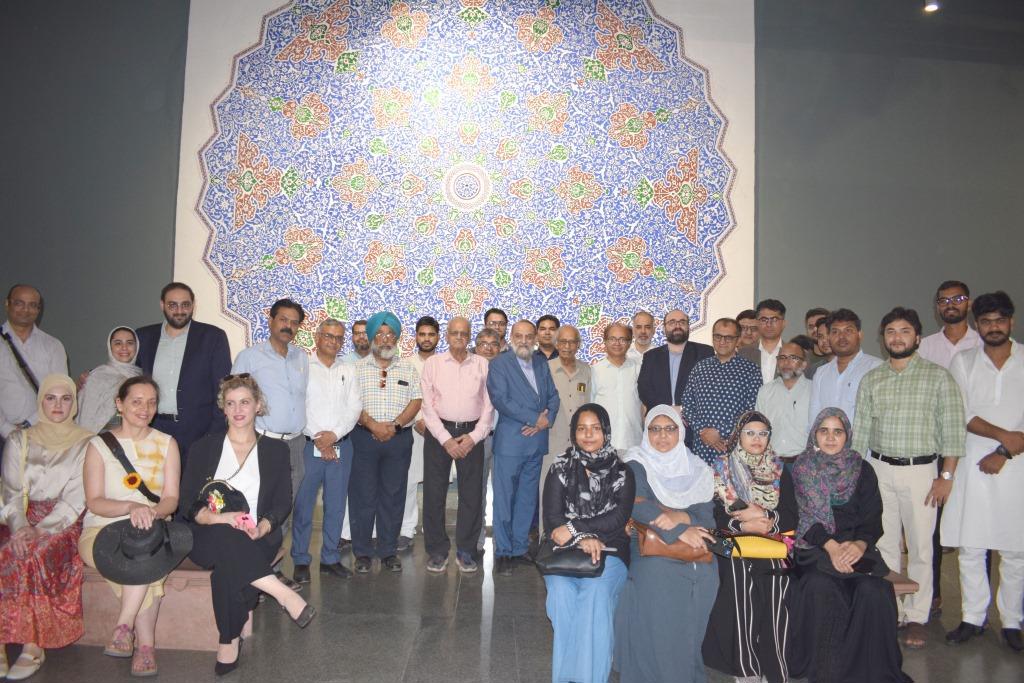
The event concluded with a guided visit to the newly established Humayun Museum, hosted by the Aga Khan Trust for Culture. Dedicated to the life and legacy of Humayun, the second Mughal emperor, the museum is regarded as an important center for showcasing the historical, artistic, and architectural connections between Iran and India.
Your Comment :