


Persian Language Through the Lens of the Shahnameh / Yerevan Hosts “Introduction to the Shahnameh and Ferdowsi” Meeting
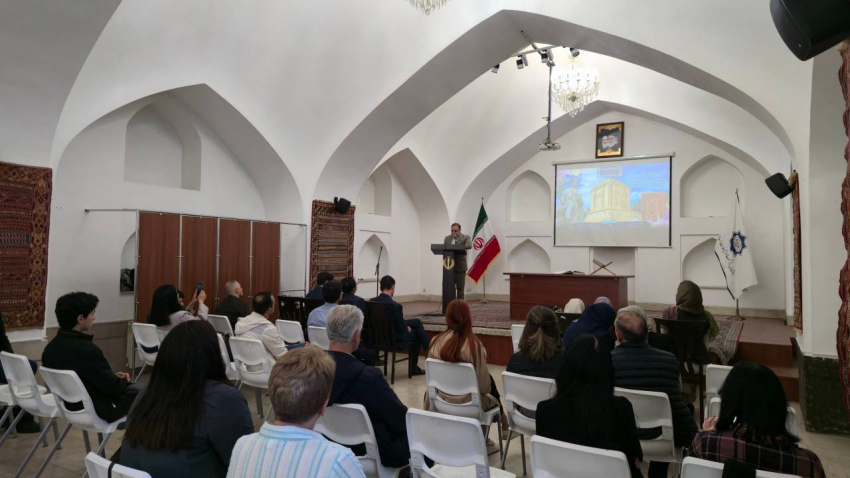
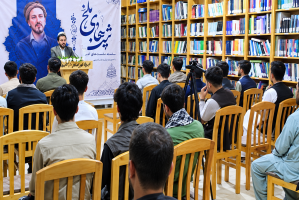
According to the Public Relations Office of the Saadi Foundation, Mohammad Asadi Movahed, Cultural Counselor of the Islamic Republic of Iran and Representative of the Saadi Foundation in Armenia, addressed the gathering by explaining the significance of the Shahnameh within Iran’s intellectual and cultural framework.
He stated that Ferdowsi was not merely a poet, but also a cultural actor, adding that the Shahnameh stands as a remarkable example of cultural resistance against historical oblivion.
Referring to the profound layers of the work, he noted that the Shahnameh is not only an epic text, but also a repository of wisdom, ethics, and a system of human values that has played a major role in shaping Iranian national identity throughout the centuries.
The representative of the Saadi Foundation in Armenia further emphasized that reconstructing historical memory, preserving the Persian language, and presenting multilayered ethical models are among the outstanding characteristics of the Shahnameh.
Asadi Movahed also described the concept of Iran in the Shahnameh as transcending geographical borders, portraying it as a cultural and civilizational construct rooted in wisdom, justice, and loyalty — one that can serve as a platform for intercultural dialogue in the South Caucasus region.
During the event, Anahita Vali, a researcher and Shahnameh scholar, presented an analysis of the narrative structure and cultural functions of the Shahnameh. She highlighted the cultural ties between Iran and Armenia and described the work as part of the region’s shared cultural heritage.
Inviting Armenian researchers to further study the Shahnameh, Vali described the work as a living treasure capable of addressing the intellectual and ethical needs of contemporary humanity. She stated that a nation possessing such a literary heritage enjoys a cultural foundation that does not easily decline.
In another part of her speech, Vali analytically examined several stories from the Shahnameh, including “Zal and Simorgh,” describing them as symbols of concepts such as hope, return, and the search for meaning. She also referred to the role of dreams in the epic, interpreting them as forms of spiritual and intuitive insight.
The researcher further pointed to cultural commonalities between Iran and Armenia reflected in the Shahnameh, noting that the mention of Armenia and certain Armenian figures in the work demonstrates the breadth of the region’s shared cultural sphere.
Concluding her remarks, Vali described the Shahnameh as the cultural breath of a nation, saying that as long as the Shahnameh continues to be read, Iranian cultural identity will remain alive and dynamic.
Other parts of the program included a Shahnameh recitation by an Iranian student and a performance of the patriotic piece “Ey Iran” by an Armenian musician, both warmly welcomed by attendees. Poets participating in the event also recited verses in praise of Ferdowsi and the Shahnameh, emphasizing the literary significance of the masterpiece.
Your Comment :