


Saadi Day Commemorated at State University of Turkmenistan
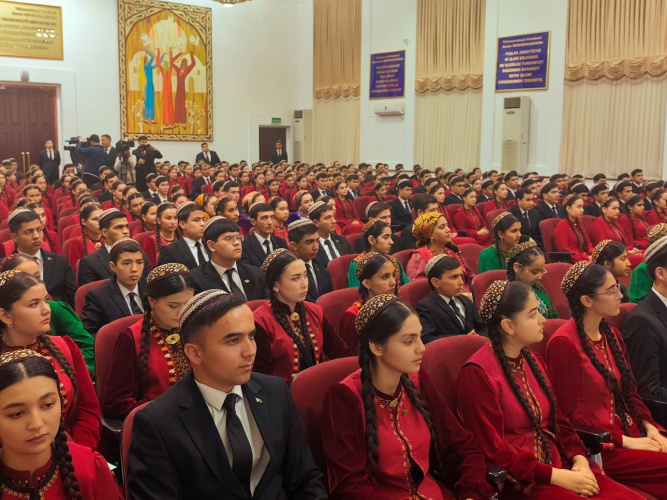
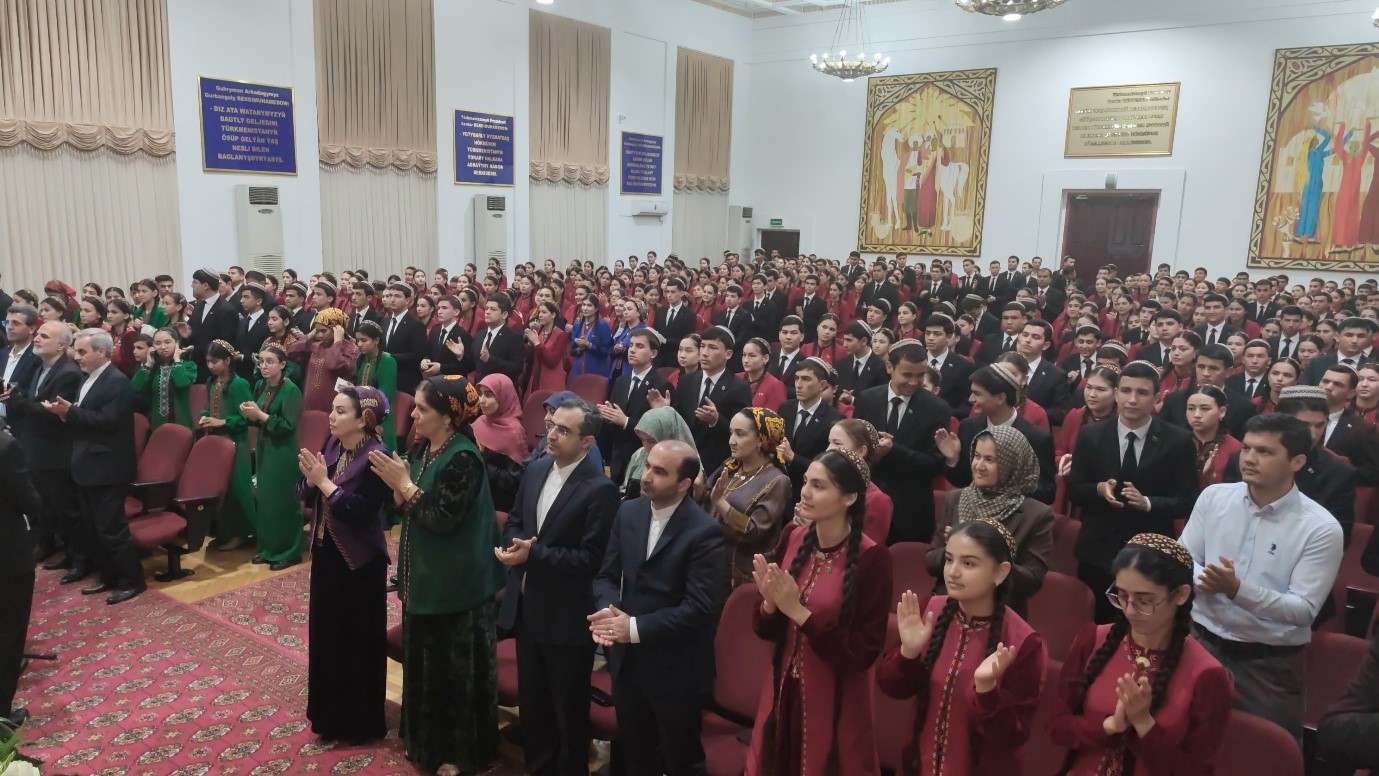
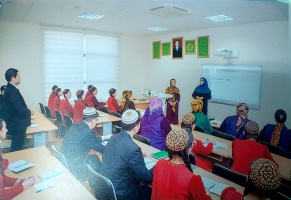
According to the Public Relations Office of the Saadi Foundation, Orazgeldy Orazsahatov, rector of the university, welcomed attendees and highlighted the importance of such events in expanding academic and cultural cooperation between the two countries. He noted that organizing a Saadi commemoration with the presence of Persian-learning students reflects growing attention to strengthening bilateral ties in education and culture.
Referring to Saadi’s influence on Turkmen literature, he added that the impact of the renowned poet can be observed in the works of Magtymguly Pyragy and Döwletmämmet Azady, demonstrating deep cultural connections between the two nations.
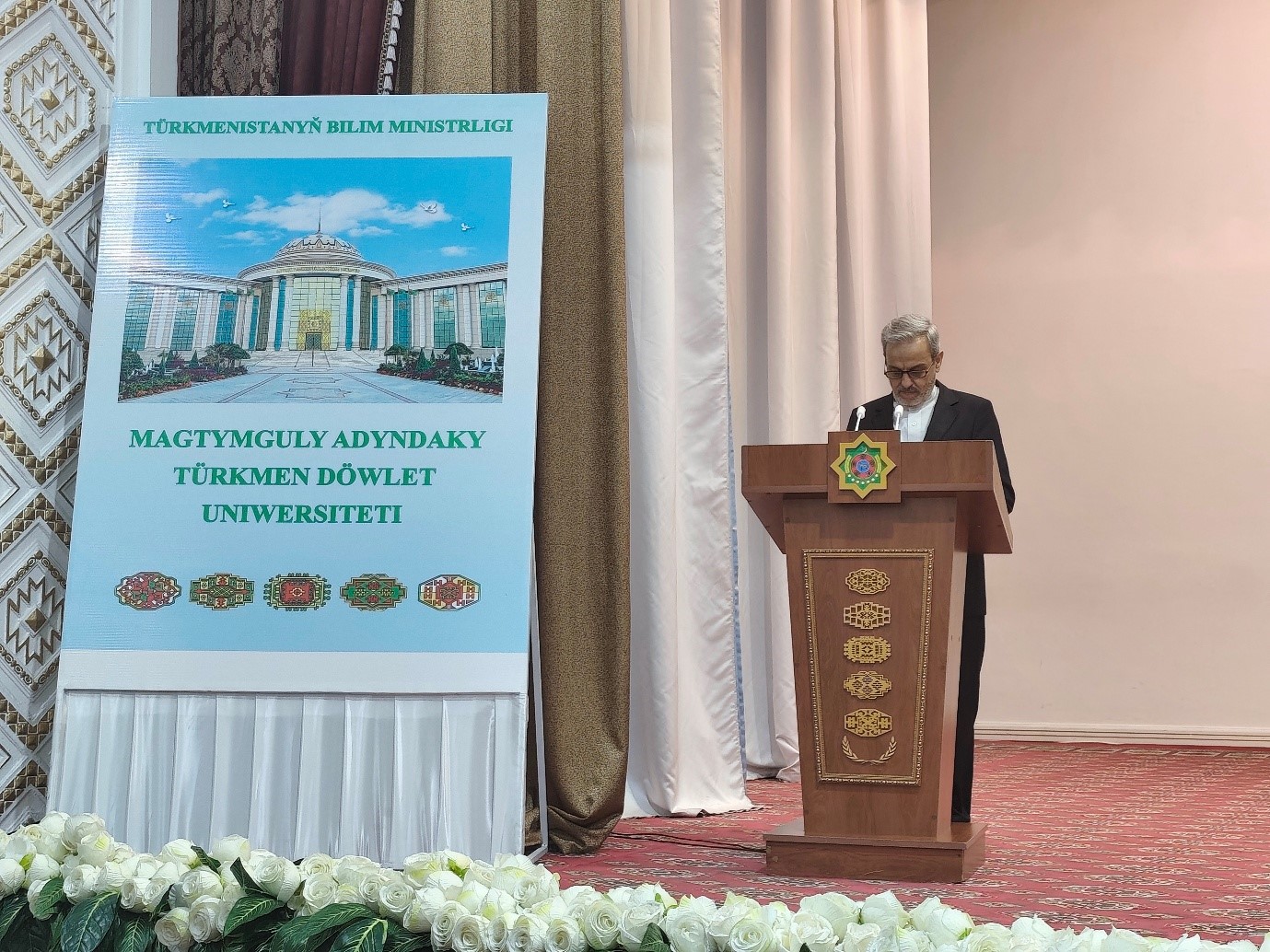
Ali Mojtaba Rouzbehani, Ambassador of the Islamic Republic of Iran to Turkmenistan, also addressed the event, emphasizing the significance of Saadi’s works. “If we consider Bustan as Saadi’s ideal society, then Golestan serves as a mirror of human social realities,” he said, noting that the latter analyzes human behavior through rhythmic and eloquent prose.
He added that these two works have served not only as educational texts over centuries but also as guides to ethical living, in which Saadi establishes a profound link between ethics and governance.
Rouzbehani further stressed Saadi’s perspective on social justice, stating that the poet consistently calls on rulers to uphold justice and respect people’s rights—concepts that today are recognized as citizenship rights and social justice.
Abdolreza Abbasi, Iran’s cultural attaché and the Saadi Foundation’s representative in Turkmenistan, also spoke at the event. He noted that Saadi holds a highly esteemed position in the thought of Ayatollah Ali Khamenei, Leader of the Islamic Revolution, who has frequently referenced Saadi in his speeches and writings. According to Abbasi, three key themes in this perspective are Saadi’s deep connection with the Quran, the richness of his wisdom and spirituality, and his role in preserving the Persian language.
Abbasi described Saadi as one of the greatest poets of classical world literature, whose refined prose and poetry, along with his social and ethical insights, have secured him a distinguished place among literary figures.
Referring to Saadi’s major works, he added that Golestan and Bustan have been translated into various languages and continue to attract global audiences.
He also underlined the role of literature in strengthening nations’ cultural and historical identity, noting that engaging with classical Persian texts is, in essence, a reflection of national, religious, and historical identity. Saadi’s works, he said, remain relevant to the needs of contemporary societies even after centuries.
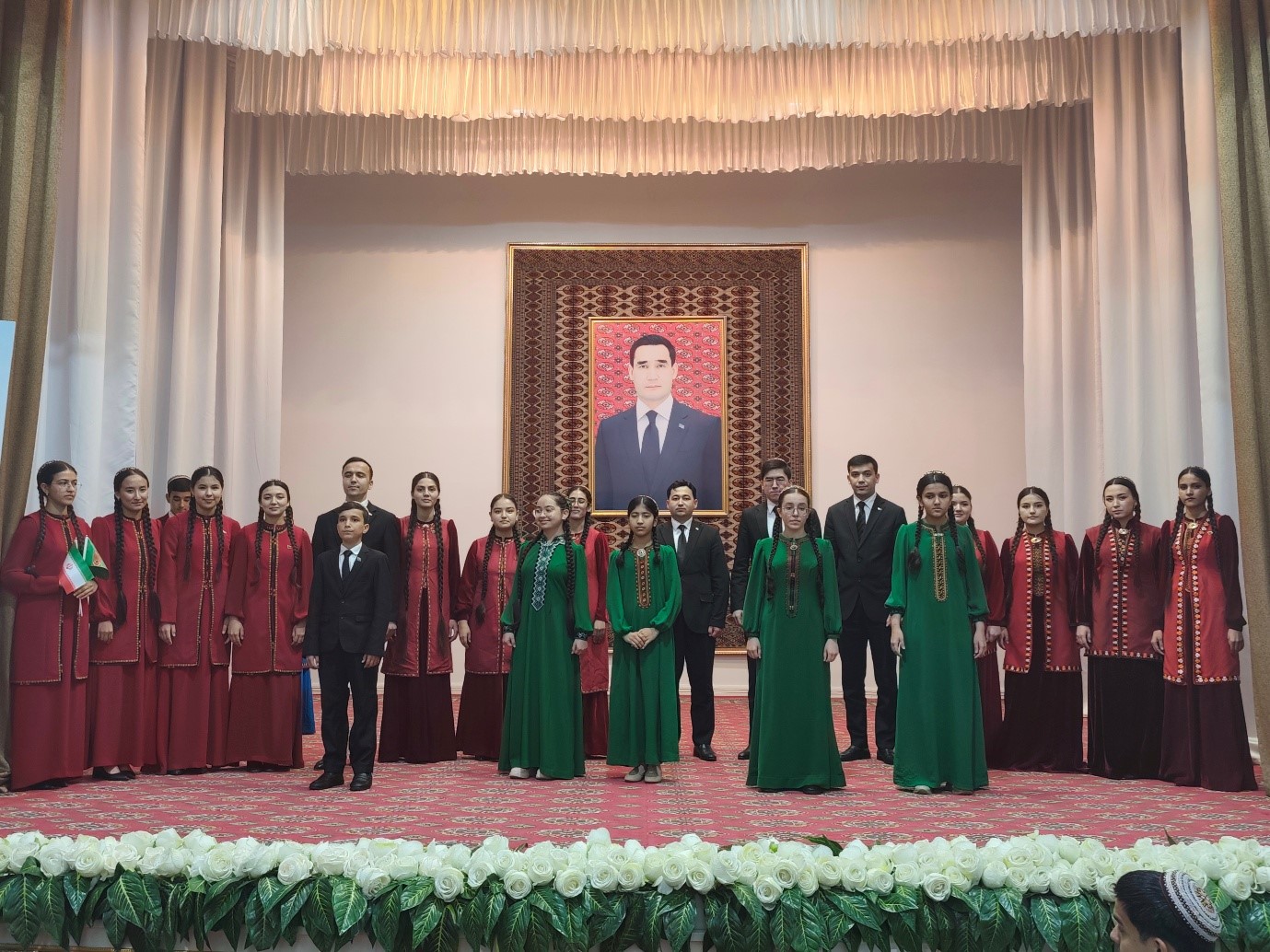
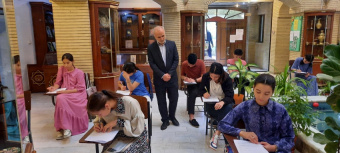
At the end of the ceremony, awards were presented to the winners of poetry recitation and Saadi studies competitions.
 \
\

Your Comment :